
What Are BCAAs? Benefits, Dosage, and When You Actually Need Them
If you’ve ever scrolled through gym forums, walked past the supplement aisle, or watched a fitness influencer shake up a bright drink mid-workout, you’ve probably heard about BCAAs. But what are they, really, and do you actually need them to see results?
BCAAs, or Branched-Chain Amino Acids, have earned a reputation as a quick fix for muscle soreness, recovery, and energy. The truth is, they can be helpful, but only if you know how to use them. In the following sections, we’ll break down everything you need to know: what BCAAs are, the real benefits for your muscles, how much to take, and when they fit best into your training routine.
What Are BCAAs?
BCAAs are three essential amino acids: leucine, isoleucine, and valine. They’re called “essential” because your body can’t produce them; you need to get them from food or supplements.
These amino acids play a direct role in muscle function. Unlike most amino acids, BCAAs are primarily metabolised in the muscles rather than the liver. That’s why they’re closely linked to exercise performance and recovery.
Leucine is the key player, as it helps trigger muscle protein synthesis, the process your body uses to build and repair muscle tissue.
How BCAAs Work in Your Body
When you train, especially during longer or more intense sessions, your body can break down muscle tissue for energy. BCAAs help limit this breakdown and support the repair process after your workout. They provide an extra energy source during exercise, help reduce fatigue by influencing serotonin levels, and support quicker recovery between sessions. Altogether, this makes BCAAs a helpful addition for keeping your performance consistent and making it easier to bounce back for your next session.
BCAA Benefits for Muscle Recovery
One of the main reasons people use BCAAs is to support recovery and reduce post-workout fatigue.
Reduced muscle soreness
BCAAs may help decrease delayed onset muscle soreness (DOMS), making it easier to stay consistent with your workouts.
Improved recovery
They support faster repair of muscle tissue after intense sessions like weight training or HIIT.
Muscle preservation
If you’re in a calorie deficit, BCAAs can help protect lean muscle mass while you lose fat.
Better training performance
By reducing fatigue, BCAAs can help you maintain intensity throughout your workout.
BCAA vs. EAA: What’s the Difference?
BCAAs include three amino acids, while EAAs include all nine essential amino acids your body needs. This makes EAAs more complete when it comes to supporting muscle protein synthesis.
- BCAAs: Useful for intra-workout support and reducing fatigue
- EAAs: Provide full-spectrum support for muscle growth and recovery
If your diet already includes enough protein, BCAAs can still be helpful during training. For a more complete approach, EAAs can offer additional support.
When to Take BCAAs
- Before Your Workout: Helps reduce muscle breakdown and prepares your body for training.
- During Your Workout: Supports endurance and helps delay fatigue, one of the most common ways people use BCAAs.
- After Your Workout: Can support recovery, although a full protein source is often more effective here.
- On Rest Days: Usually not necessary if your daily protein intake is already sufficient.
Recommended BCAA Dosage
For most people, a daily intake of 5–10 grams is enough to support training and recovery.
- Before or during workouts:5–10g
- Fasted training:Closer to 10g
- Short or light sessions:Around 5g
You don’t need multiple servings throughout the day. Focus on taking them around your workouts for the best results. Also, remember that protein-rich foods and supplements already contain BCAAs, so your total intake may already be higher than you think.
How to Know If You Actually Need BCAAs
BCAAs aren’t essential for everyone.
You may benefit from them if you:
- Train fasted
- Do long or high-intensity workouts
- Are in a calorie deficit
- Struggle to meet your protein intake
You may not need them if:
- You already consume enough protein daily
- Your training sessions are shorter or less intense
In many cases, your regular diet already covers your needs.
BCAA Supplement Guide
If you decide to use BCAAs, keep your choice simple and practical.
Look for:
- A 2:1:1 ratio of leucine to isoleucine and valine
- Minimal added sugars
- Good mixability and flavours you enjoy
Some supplements also include EAAs and additional ingredients to support recovery, giving you more complete support in one product.
Are BCAAs Safe?
BCAAs are generally safe for healthy individuals when taken within recommended amounts. They’re naturally found in everyday foods like meat, dairy, and eggs, so your body is already familiar with them.
To keep things simple, stick to the recommended serving sizes, choose high-quality products, and focus on your overall nutrition rather than relying solely on supplements. If you have any medical conditions or dietary concerns, it’s always a good idea to check with a professional before adding BCAAs or any new supplement to your routine.

BCAAs in the Basix Nutrition Range
If you’re looking to include BCAAs in your routine, Basix offers a few practical options depending on how you prefer to fuel your body.
For a convenient start to your day, Basix Protein Oats combine quality oats with added protein, naturally providing BCAAs alongside balanced nutrition. They come in a range of flavours, making it easier to choose something that fits your taste and routine.
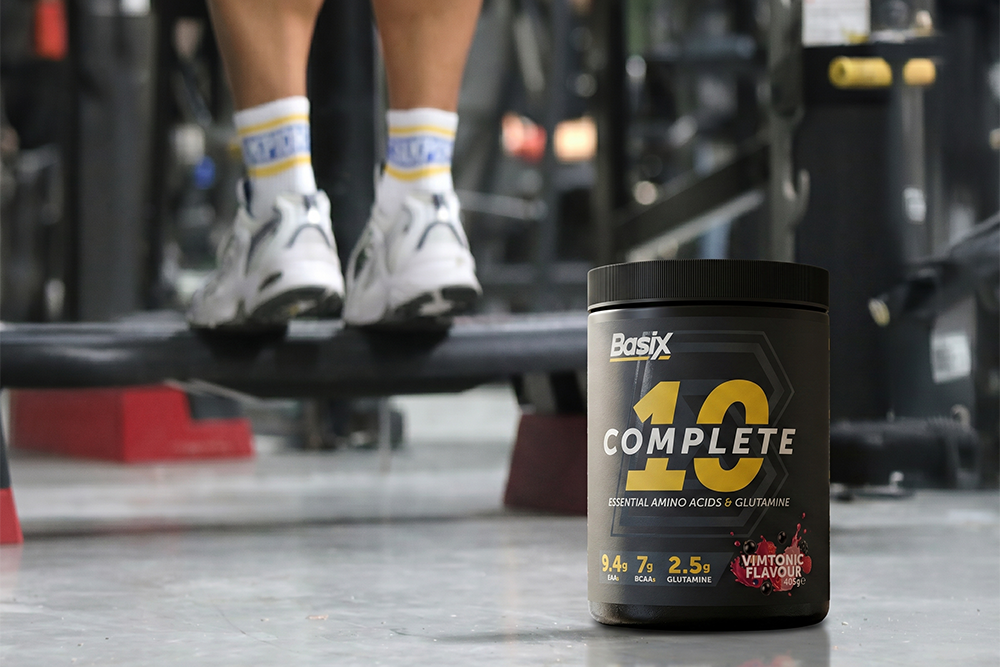
If you’re after more complete amino acid support, Basix Complete 10 EAAs & Glutamine includes all essential amino acids, not just BCAAs. This makes it a strong option for supporting recovery and muscle repair, especially around your workouts.
For post-workout nutrition, Basix Whey Protein Isolate X-Pro delivers a high-quality protein source that naturally contains BCAAs, helping support muscle recovery in a simple and effective way.
The key is choosing what fits your lifestyle. Whether it’s through whole foods, protein-based products, or targeted amino acid formulas, BCAAs can easily be integrated into a routine that already supports your training goals.
You can explore more BCAAs and protein products, along with other supplements, by visiting our Basix Nutrition product page.
Final Thoughts
BCAAs can support your training, but they work best as part of a solid overall routine. Before focusing on supplements, make sure your daily protein intake is consistent. From there, BCAAs can help fine-tune your performance, especially during intense sessions or calorie deficits. Keeping things simple and consistent will always deliver better results than relying on any single supplement.
FAQs
They help reduce muscle breakdown, support recovery, and provide energy during exercise.
They serve different purposes. Creatine supports strength and power, while BCAAs support recovery.
Only if your training or diet requires it.
Yes, they can be used together.
Generally, no. Your overall protein intake matters more.
Before or during workouts is most effective.
If you train intensely, fast, or struggle with recovery, they may be helpful.