
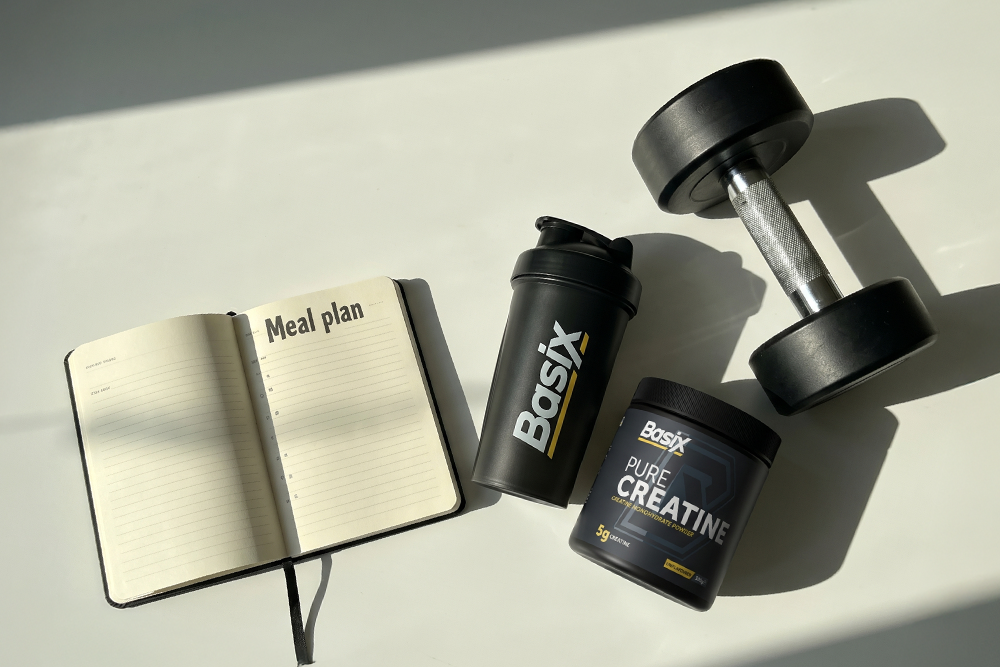
How to Build a Bodybuilding Diet Plan: Macros, Meals & Weekly Template
Building an effective bodybuilding diet plan doesn’t have to feel complicated. Once you understand how calories, macros, and meal structure work together, you can create a plan that supports muscle growth, recovery, and performance.
The key is removing guesswork. Instead of constantly changing what you eat, you’ll have a clear structure you can rely on, one that fits your training, your schedule, and your goals.
In the following sections, you’ll learn how to calculate your calorie needs, balance your macros, and organise your meals into a simple weekly system you can stick to.
Understanding the Basics of a Bodybuilding Diet
A bodybuilding diet is built around one key principle: controlling your calorie intake based on your goal.
- A calorie surplus means eating more calories than your body burns. This supports muscle growth and is used during a bulking phase.
- A calorie deficit means eating fewer calories than you burn. This helps reduce body fat while maintaining muscle, making it ideal for a cutting phase.
The goal isn’t to overeat or undereat, it’s to stay within a controlled range that supports steady progress. Pair that with proper training, and your diet becomes a powerful tool rather than a guessing game.
How to Calculate Your Daily Calorie Needs
Basal metabolic rate (BMR)
Your BMR is the number of calories your body needs to function at rest, covering essentials like breathing and digestion. It’s your starting point.
Total daily energy expenditure (Tdee)
Your TDEE includes your BMR plus daily activity and training. This is the number of calories you need to maintain your current weight.
Adjusting calories based on your goal
Once you know your TDEE, adjust it based on your goal:
- For muscle gain: add 250–400 calories (lean bulking)
- For fat loss: reduce 300–500 calories (cutting phase)
Macronutrients Explained (Bodybuilding Macros)
Protein – the priority for muscle growth
Protein supports muscle repair and growth after training.
- Aim for 1.6–2.2g per kg of body weight
- Spread intake across your meals
Whole foods like chicken, eggs, and fish should be your base. For convenience, adding a quality whey protein can help you hit your daily target without overcomplicating your meals.
Carbohydrates – your main energy source
Carbs fuel your workouts and help maintain training intensity.
- Prioritise oats, rice, potatoes, and whole grains
- Time carbs around workouts for better performance
If your energy feels low in the gym, increasing carbs is often the first adjustment to make.
Fats – essential but controlled
Fats support hormone function and overall health.
- Aim for 20–30% of total calories
- Focus on healthy sources like nuts, olive oil, and avocados
Keep fats consistent, but avoid letting them replace carbs when performance is your priority.
Ideal Macro Ratios for a Bodybuilding Diet Plan
There’s no single perfect split, but a practical starting point is:
- Protein: 25–30%
- Carbs: 40–50%
- Fats: 20–30%
For a bulking meal plan, slightly increase carbs. For a cutting diet plan, keep protein high while reducing carbs and fats gradually.
Track your progress and adjust every 1–2 weeks based on results.
Meal Planning & Weekly Bodybuilding Diet Template
A structured approach makes your diet easier to follow and maintain.
How to structure your meals
- Aim for 3–5 meals per day
- Include protein in every meal
- Plan meals around your training
Pre-workout: Focus on carbs and protein for energy
Post-workout: Prioritise protein and carbs for recovery
Sample daily meal plan
- Breakfast: Oats with protein and fruit
- Snack: Greek yoghurt with nuts
- Lunch: Chicken, rice, and vegetables
- Pre-workout: Banana and a protein shake
- Post-workout: Rice cakes with protein
- Dinner: Lean beef, potatoes, and greens
Simple weekly template
Instead of creating new meals every day, rotate your foods:
- Choose 2–3 protein sources (chicken, beef, fish)
- Rotate carb sources (rice, oats, potatoes)
- Keep snacks consistent
Meal prepping a few times per week helps you stay organised and consistent without overthinking your plan.
Supplements to Support Your Diet
Supplements can support your bodybuilding diet by helping you hit your daily macros, improve training performance, and enhance recovery. They’re not required, but they can make your nutrition plan easier to follow and more effective. Common options include protein powders for muscle growth, creatine for strength, EAAs/BCAAs for recovery, casein protein for slow-digesting overnight nutrition, and caffeine to boost focus and performance.
For those looking to simplify their routine, Basix offers a range of high-quality supplements designed to fit seamlessly into a structured bodybuilding diet. For example:
- Basix Whey Protein: A blend of whey concentrate, whey isolate, and soy isolate for complete amino acids and lean muscle support.
- Basix Casein Protein: Slow-digesting micellar casein for overnight recovery and muscle protection.
- Basix Creatine Monohydrate: Pure creatine to increase energy and strength without fillers or additives.
- Basix Complete 10 EAAs & Glutamine: Provides essential amino acids and glutamine to accelerate recovery and improve protein synthesis.
To explore these supplements in detail and see the full range, visit our product page.
Common Mistakes to Avoid
Many beginners overcomplicate their diet. Focus on the basics instead.
- Not tracking calories or macros
- Skipping meals and under-eating protein
- Relying too much on supplements
- Ignoring consistency
Conclusion
The most effective bodybuilding diet plan isn’t the strictest one; it’s the one you can follow consistently. Instead of constantly changing your approach, focus on building a system you can repeat.
A practical way to do this is to track your progress weekly and make small adjustments. If your weight, strength, or energy levels aren’t moving in the right direction, tweak your calories slightly rather than overhauling your entire plan. Over time, these small, controlled changes lead to better and more sustainable results.
FAQs
A simple plan with enough calories, high protein, and balanced carbs and fats is the best starting point. Focus on consistency before making advanced adjustments.
You can use a bodybuilding macros calculator or start with protein at 1.6–2.2g per kg, then divide the remaining calories between carbs and fats.
Yes. Whole foods should always come first. Supplements like protein powder and creatine simply make it easier to meet your targets.
Anywhere from 3 to 5 meals works well. The most important factor is hitting your daily calories and protein intake.
Before training, eat carbs and protein for energy. After training, prioritise protein and carbs to support recovery and muscle growth.